







Search Results for: barrel fermentation processing method
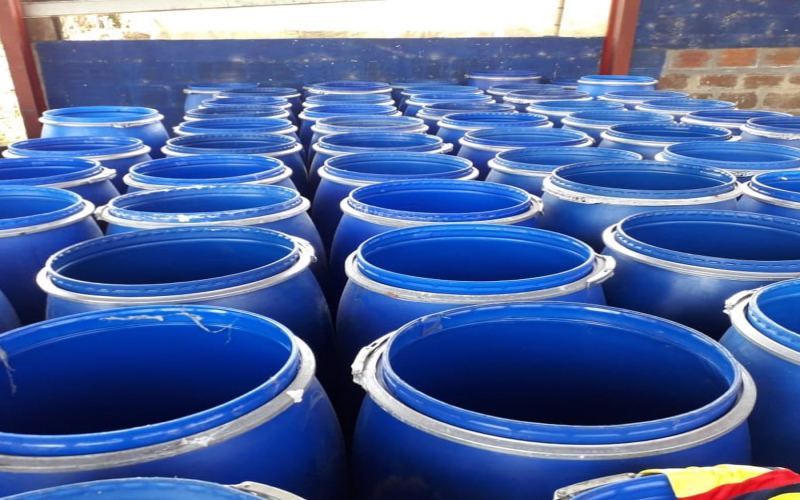
A Comprehensive Analysis of Specialty Coffee Processing Methods: The Craft and Flavor of Anaerobic Fermentation, Barrel Aging, and Wine Infusion
In recent years, an increasing number of specialty green coffee beans processed with special processing methods have appeared on the specialty coffee market. Is this really something to be happy about? Front Street Coffee believes that special processing methods were originally intended to give the flavor of coffee beans from a certain producing region more distinctiveness. However, as their use has continued to expand, some processing methods today seem to be more about masking the defects of the coffee beans themselves and then selling them at a high price. In fact, all special processing methods have evolved around the three traditional methods: washed, natural, and honey. This article will systematically sort out the most common types of special processing methods on the market, including anaerobic fermentation, barrel fermentation, and red wine processing, and, combined with Front Street Coffee's cupping experience and specific products, analyze their processing procedures and flavor characteristics. [more…]
Rum Barrel Fermented Coffee Flavor Analysis: Colombia San Jose Estate Processing Method and Pour-Over Parameters
Winey coffees have attracted much attention in recent years. Front Street Coffee has three beans with winey notes, among which Sherry and Lychee Orchid are well known, but the origin of barrel fermentation actually lies in the San Jose Estate in Colombia. This article provides a complete breakdown of Front Street Colombia Rum Barrel Fermented Coffee, from the producing region, estate story, and processing method to roasting and brewing. The San Jose Estate is located in the Caldas region at an altitude of 1750 meters, uses the Castillo variety, and after meticulous washing, is placed in aged rum oak barrels for low-temperature fermentation for three months. The cup profile presents notes of rum truffle, rum, tropical fruit, and maple syrup. The article also provides V60 staged extraction parameters and measured taste results, making it suitable for coffee enthusiasts who want to understand the principles of barrel fermentation and brewing methods. [more…]
An Analysis of Rum Barrel Fermented Coffee Beans Processing Method: The Specialty Coffee Innovation Craft of Finca San José in Colombia
The highly sought-after "Front Street San Jose Estate Rum Barrel Fermented" coffee beans at the coffee market greet you with a rich rum aroma the moment you open the bag. Where exactly does this unique boozy scent come from? Starting from the terroir conditions of San Jose Estate in Caldas Province, Colombia, this article tells how the estate owner, inspired by rum aging, conceived the idea in 2013 of putting green coffee beans into oak barrels. After years of experimentation, the low-temperature rum barrel fermentation process was established in 2017, using the Castillo variety, and involving fully washed processing, 20-hour fermentation, resting in oak barrels aged over 8 years for three months, and daily tumbling, so the beans evenly absorb the rum aroma. These beans once won silver as a blend in the Cappuccino category at the 2019 RASV Australian International Coffee Roasting Competition. Suitable for pour-over, espresso, ice drip, or cold brew, it is a versatile specialty choice recommended by Front Street. [more…]
Does oak barrel fermented coffee contain alcohol? Will drinking whiskey barrel processed beans cause a positive drunk driving test?
In recent years, barrel-fermented coffee has attracted many enthusiasts with its rich wine aroma, but many people are concerned about whether this type of bean contains alcohol and whether drinking it could lead to being deemed guilty of drunk driving. This article starts from the process of Front Street Coffee's whiskey barrel treatment method, sorts out its differences from traditional washed, natural, and honey processing, and explains in detail the specific steps of oak barrel fermentation in the Marcala region of Honduras—including washing to remove pectin, drying and sun-drying, selecting 7 mm beans, and placing them in rum barrels to soak for about three months. The article also gives a clear conclusion: coffee beans processed this way do not contain alcohol, so there is no need to worry about drunk driving, and it introduces the flavor characteristics of Front Street Coffee's Honduras barrel-fermented coffee and the sharing purpose behind its price. [more…]
Do Wine-Flavored Coffee Beans Contain Alcohol? Honduras Lychee Orchid: Flavor Analysis of Brandy Barrel-Fermented Washed Beans
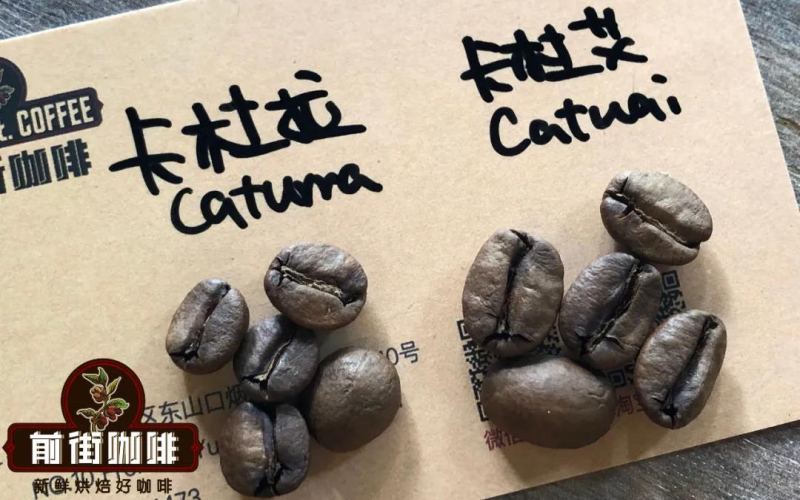
In recent years, coffee processing methods have continuously evolved, from early anaerobic fermentation to red wine processing, and now to oak barrel fermentation, with endless innovative techniques making coffee flavors increasingly diverse. The Honduras Litchi Orchid coffee beans launched by Front Street Coffee are produced using a combination of fine washing and brandy barrel fermentation, originating from the Moca Estate in the Marcala region, at an altitude of 1,500-1,700 meters, with varieties of Caturra and Catuai. This bean shares similarities with the same brand's Sherry coffee beans, with the difference being that Sherry uses whiskey barrels, while Litchi Orchid selects brandy oak barrels. The fermented beans carry a soft lychee and honey sweetness, while integrating brandy notes and oak aroma. This article will provide a detailed introduction to this bean's processing method, flavor performance, and answer the question of whether wine-flavored coffee beans contain alcohol. [more…]
The Flavor Spectrum of Experimental Processing Methods: From Barrel Fermentation to Anaerobic Maceration
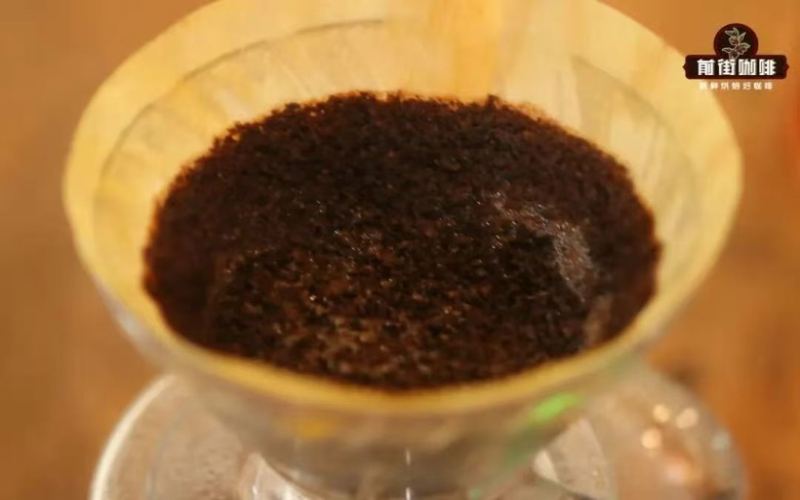
Anaerobic natural, lactic fermentation, barrel-aged, yeast inoculation—the vocabulary of specialty coffee processing methods has exploded in recent years, and coffee menus increasingly read like a brewery's process manual. These experimental processing methods are not marketing coinages; each one corresponds to a genuine technological innovation. This article maps out the mainstream lineage and examines "flavor alchemy." [more…]
Exploring the Origin of Rum Barrel Fermented Coffee: The Unique Processing at Finca San José in Colombia and Front Street's Brewing Analysis
Wine-aroma coffee beans have gained great popularity in recent years. Many people believe that barrel fermentation technology originated in Honduras, but in fact, Finca San Jose in Colombia is the true pioneer of this process. This article will guide you through an in-depth understanding of how Finca San Jose cleverly combines rum oak barrels with green coffee beans—from the selection of the Castillo variety, the details of refined washed processing and three-month barrel fermentation, to Front Street Coffee's roasting curve and brewing parameters—fully revealing the flavor secrets of this rum barrel-fermented coffee. Whether you are curious about its historical origins or want to replicate a cup of wine-aroma pour-over, you will find detailed answers here. [more…]
Front Street Colombia Finca San Jose Rum Barrel Fermented Coffee: Analysis of Flavor Formation and Brewing Performance
The rum barrel-fermented washed beans from Front Street Coffee's San Jose estate in Colombia are a highly representative example of the low-temperature anaerobic fermentation trend in recent years. They originate from a bold idea by the estate's owner, Monsalve Botero—placing green coffee beans into oak barrels for low-temperature fermentation. These beans use Supremo-grade Castillo and Naranjal varieties, which are fermented in barrels after depulping, then washed and dried on raised beds, revealing flavors of rum, cantaloupe, and dark chocolate. This article will review the origins of the processing method, the characteristics of the green beans, their unique performance in roasting and brewing, and explore the possible causes behind their rich vinous notes. [more…]

Analysis of the Flavor Characteristics and Pour-Over Parameters of Colombia Finca San José Oak Barrel Fermented Coffee Beans
In the specialty coffee world, barrel-fermented processing methods have attracted considerable attention in recent years, and the origins of this technique can be traced back to Finca San José in Colombia. The third-generation female owner of the estate was the first to try placing green coffee beans into rum oak barrels for low-temperature fermentation, pioneering a distinctive processing method. This article will provide a comprehensive introduction to Finca San José's regional background, the development of the Castillo variety, the specific process of fine washing combined with rum barrel fermentation, and compare its flavor differences with the barrel-aged beans from Finca Moca in Honduras. At the same time, Front Street Coffee will share the optimal extraction parameters and flavor performance of this bean through brewing experiments at three different water temperatures, helping coffee enthusiasts gain a deeper understanding of this unique Colombian coffee. [more…]
The Flavor Code of Honduran Specialty Coffee Origins: A Complete Analysis of Sherry and Lychee Barrel-Fermented Beans
Driven by the third wave of coffee, barrel fermentation processing has become a highly anticipated innovative craft in recent years. Front Street Coffee's Honduras Sherry and Lychee Orchid barrel-fermented beans each impart unique wine aromas and layers to the coffee through whiskey barrels and brandy barrels, respectively. This article begins with the geography and varieties of Honduras's six major producing regions, outlines the development of its coffee industry and grading system, focuses on analyzing the principles of barrel fermentation and flavor differences, and provides a detailed record of the roasting curve comparison of Front Street's two beans, cupping performance, and flavor presentation in three brewing methods—V60, KONO, and Japanese-style iced pour-over—offering objective data references for coffee enthusiasts. [more…]
Honduran Specialty Hand-Brewed Coffee Beans Guide: Analyzing the Barrel-Fermented Flavors of Sherry and Lychee Orchid
In recent years, Honduras has secured a place for itself in the specialty coffee landscape of Central America thanks to its unique barrel-fermentation processing methods. Among these, two beans in particular stand out: Sherry and Litchi Orchid. The former, fermented in whisky barrels, delivers layers reminiscent of vanilla cream and liqueur-filled chocolate, while the latter, shaped by brandy barrels, develops an elegant profile of lychee and grape. This article systematically lays out the complete picture of Front Street Coffee's Honduras Sherry coffee—from growing region background, estate information, and varietal characteristics to processing techniques, roasting curves, and brewing parameters—and compares the flavor differences among different barrel-processing methods from the same estate, offering pour-over enthusiasts a detailed reference. [more…]
Flavor Analysis and Pour-Over Parameters Guide for Colombia San Caldas San José Estate Oak Barrel Fermented Coffee Beans
In the world of specialty coffee, barrel-fermentation processing has attracted much attention in recent years, and the pioneer of this technique was not Honduras' Moca estate, but rather El Finca San José in Colombia's San Caldas region. In a moment of inspiration, the estate's third-generation female owner placed green coffee beans into rum oak barrels for low-temperature fermentation. After repeated experiments, she ultimately created the distinctive rum barrel-fermented coffee. This article will guide you through the background of Finca San José, the birth of barrel fermentation, the origins of the Castillo variety, and Front Street Coffee's pour-over performance and brewing recommendations for this bean at different water temperatures, helping you gain a more comprehensive understanding of this uniquely flavored Colombian specialty coffee. [more…]
Honduras Lychee Orchid Flavor Analysis: Brandy Barrel Fermentation Process and Brewing Parameter Reference
In recent years, the third wave of coffee has given rise to many new-style post-processing techniques, among which anaerobic fermentation and barrel fermentation are particularly eye-catching. As an important coffee-producing country in Central America, Honduras quickly rose to fame in the specialty coffee circle thanks to barrel-fermented beans such as Sherry and Litchi Orchid. This article organizes the underlying principles of barrel fermentation, the background of Honduran producing regions and varieties, the grading system, and Front Street Coffee's practical recommendations for roasting and brewing, to help coffee lovers understand the flavor sources and extraction approaches of these specially processed beans. [more…]
Honduras Lychee Orchid Coffee Brewing Guide: Barrel-Fermented Flavor and Moka Estate Origin Analysis
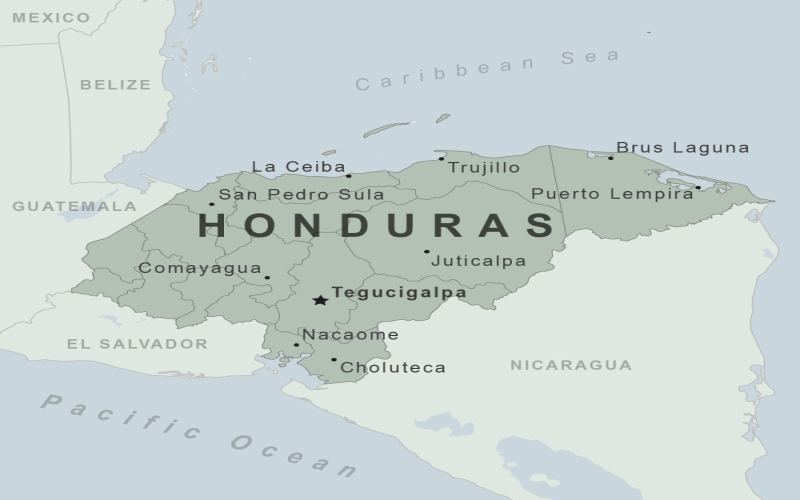
Honduras Lychee Orchid coffee took the coffee world by storm in 2019 with its unique brandy barrel fermentation process, becoming a signature example of wine-aroma coffee. This bean comes from the Moca Estate in the Marcala region, using Caturra and Catuai varieties, and undergoes low-temperature barrel fermentation for 30 days, presenting intense aromas of brandy, liqueur chocolate, and honey. This article will provide a complete analysis of the flavor sources of Lychee Orchid, from the background of the Honduran coffee industry, variety characteristics, and estate terroir to the brandy barrel fermentation process, along with Front Street Coffee's brewing parameters and techniques, to help you recreate this intoxicating wine aroma by hand. [more…]
Analysis of Honduras Lychee Orchid Coffee Bean Variety: A Complete Guide to Brandy Barrel Fermentation and Cold Brew Flavor
In today's world of constantly evolving coffee processing methods, barrel fermentation has opened a new door of flavor for the coffee world. Honduras Lychee Orchid is one of the most talked-about beans among them, fermented at low temperature in brandy barrels for about thirty days, bringing rich wine aromas and chocolate, honey-like sweetness. This article will sort through the origins of this bean one by one, from the production background of Honduras, the terroir conditions of Mocha Estate, the varietal characteristics of Caturra and Catuai, to the specific process of brandy barrel fermentation. At the same time, Front Street Coffee will also share the brewing parameters and flavor performance of Lychee Orchid, taking you through a comprehensive understanding of this Honduras coffee with an explosive wine aroma. [more…]
Front Street Honduras Lychee Orchid Coffee Beans: Brandy Barrel Fermentation Process and Brewing Parameters for Three Pour-Over Devices
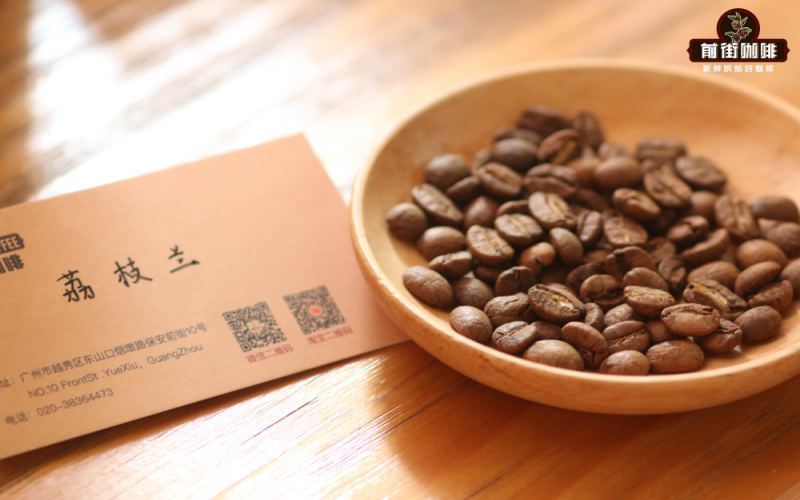
Front Street Coffee's Honduras Lychee Orchid coffee beans, with their unique brandy barrel fermentation process, deliver a rich interplay of brandy, dark chocolate, berry, and honey flavors, making them a favorite among coffee enthusiasts. This article will comprehensively analyze the source of these beans' flavors from three dimensions: regional terroir, variety characteristics, and processing method, and share specific brewing parameters and techniques using three devices—the cake filter cup, Hario V60 dripper, and French press—to help readers fully bring out Lychee Orchid's vinous aroma and sweetness at home. [more…]
An In-Depth Analysis of the Colombia Finca San José Castillo Rum Barrel Fermented Washed Coffee
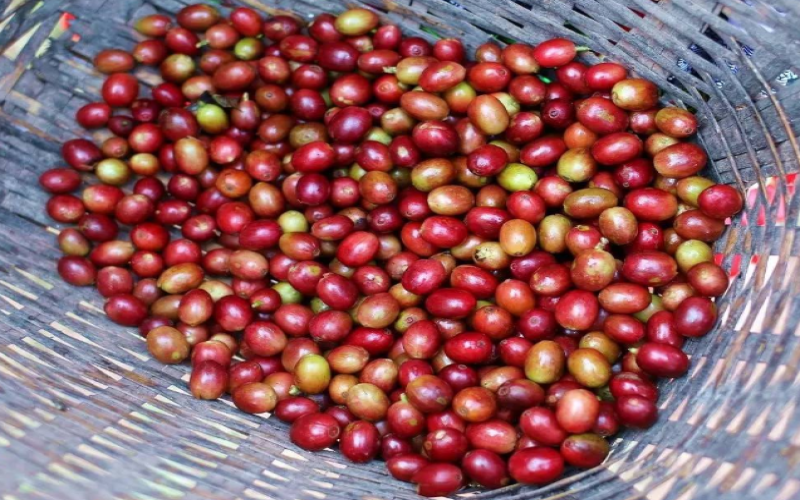
Castillo is a variety bred by Colombia's coffee research institute to enhance disease resistance, and it has now become the country's main cultivated variety. From the perspective of Front Street Coffee, this article systematically reviews Castillo's hybrid origins and the terroir conditions of Colombia's four major southern production regions, then focuses on Finca San Jose—the birthplace of the barrel fermentation processing method—explaining in detail the process of its refined washed processing combined with rum barrel fermentation, and compares this bean with Finca El Paraiso Cherry coffee through cupping, along with roasting and brewing sharing, presenting coffee enthusiasts with a complete guide to the production region and processing method. [more…]
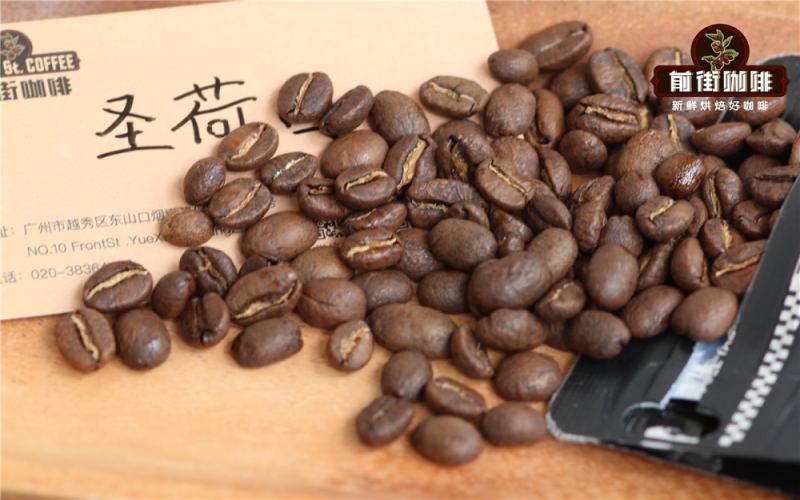
Pour-over Techniques and Flavor Analysis of Colombia Finca San José Rum Barrel-Aged Coffee Beans
The barrel fermentation processing method was not pioneered in Honduras; its inspiration came from a moment of inspiration by the lady owner of Finca San José in Colombia. This rum barrel fermented coffee that Front Street Coffee is presenting this time comes from the Caldas region, at an altitude of 1750 meters, and the variety is Castillo. The green beans rest in aged rum barrels for three months, absorbing a full rum aroma. This article will provide a complete introduction to the estate background, processing flow, and roasting curve, and will separately give the parameters and staged extraction methods for hot pour-over and iced pour-over, helping you brew a richly layered cup with rum, nut, and tropical fruit flavors at home. [more…]
Honduras Lychee Orchid Coffee Flavor Analysis: Brandy Barrel Fermentation Process and Three Brewing Methods Explained
The flavor profile of coffee is determined by the combined effects of terroir, varietal characteristics, processing method, and roasting technique. Among these, the processing method is particularly crucial in shaping the final flavor direction—washed processing brings clean and bright acidity, while natural processing imparts fuller sweetness and body. In recent years, barrel-fermented processing has attracted widespread attention in the specialty coffee community thanks to its distinctive vinous notes. Front Street Honduras Lychee Orchid from Front Street Coffee's bean lineup is a representative example processed with brandy barrel fermentation, and like the Sherry barrel coffee from the same region, it originates from Moca Estate. This article will systematically analyze the flavor code of this bean from varietal background, processing technique, roasting curve to cupping performance, and share three brewing methods—French press, pour-over, and espresso—to help coffee enthusiasts fully unleash its unique vinous charm. [more…]
Honduras Mocha Estate Lychee Orchid Coffee Beans: Brandy Barrel-Fermented Flavor and Caturra-Catuai Variety Analysis
Front Street Coffee's Honduras Sherry coffee beans have earned widespread praise for their rich whisky aroma, but the country also produces another bean that stands out for its barrel-fermentation process—Front Street Litchi Orchid coffee beans. Originating from the Moka Estate in the Masaguara region, these beans undergo a delicate washing process followed by low-temperature fermentation in brandy oak barrels for thirty to forty days, allowing the green beans to fully absorb the aromas of liquor and oak. This article will systematically introduce the bean's regional background, the estate's story, the varietal characteristics of Caturra and Catuai, and include the roasting curve provided by Front Street's roaster, cupping performance, and V60 brewing parameters, helping you gain a comprehensive understanding of its flavor sources and brewing key points. [more…]